What personal training in London costs, and what you should get for it
Personal training in the City of London usually costs £70 to £140 a session. I explain what you should get at each price, and what to ask a trainer before you hand over any money.

In this article
How much does personal training cost in the City of London?
Personal training in the City of London usually costs £70 to £140 a session. Most trainers charge £70 to £100 or a little more. Experienced coaches who run fewer sessions charge £120 to £140. Most of my clients buy packs of 12 or 24, which brings the price down.
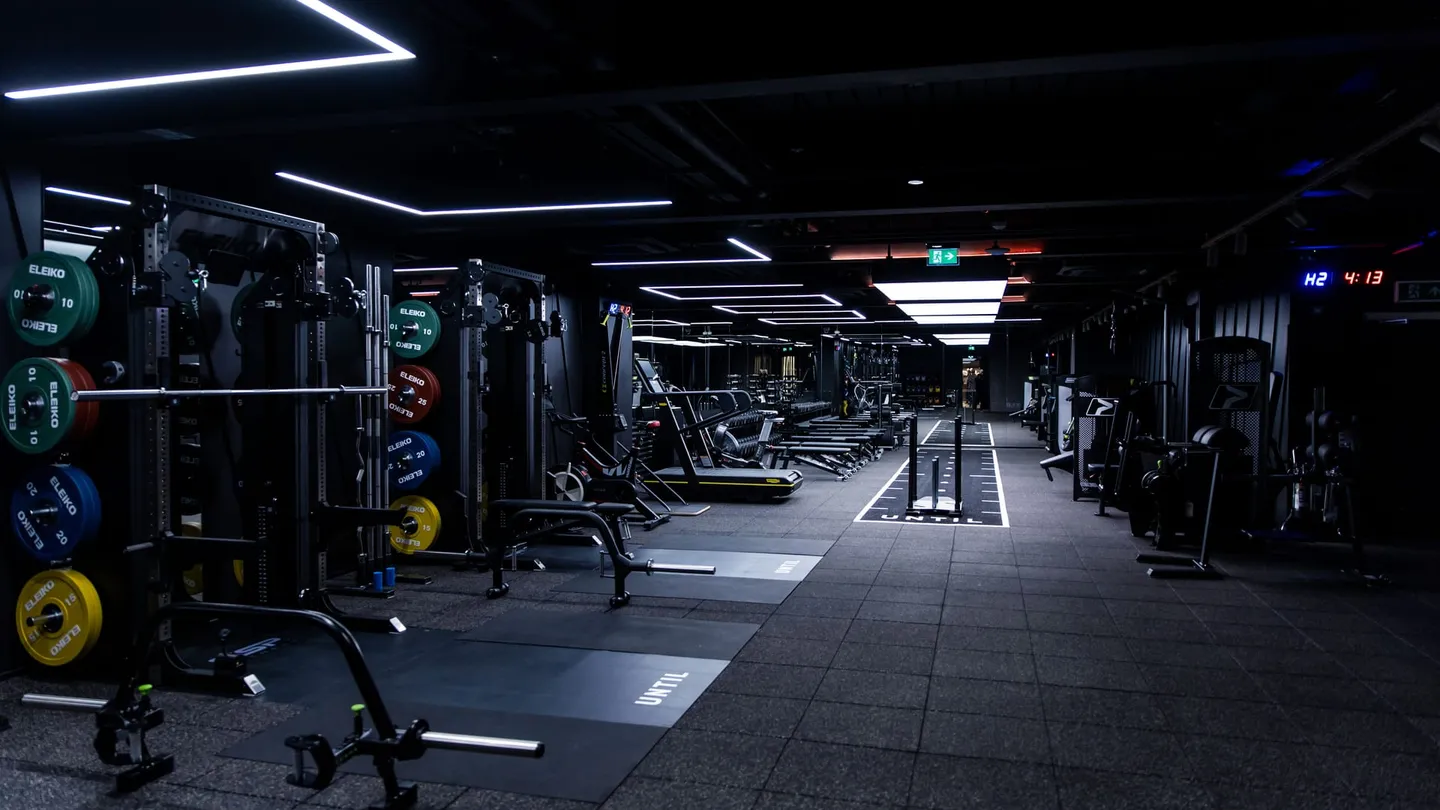
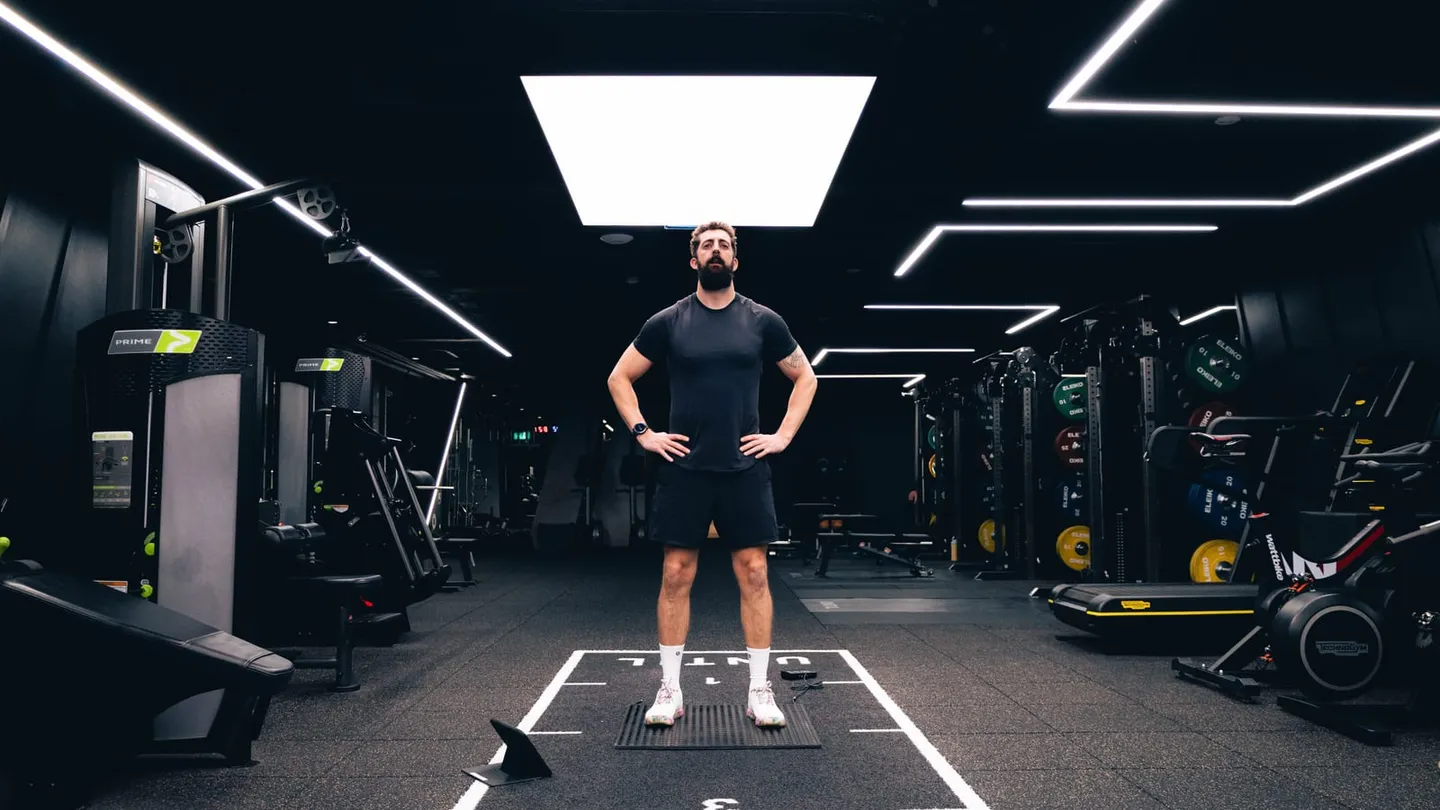
I coach out of UNTIL Liverpool Street. Before that I was the PT Manager at Equinox Bishopsgate, so I know exactly what the comparison looks like from the inside.
My coaching sits at the top of the range. Most people compare me with Equinox or Third Space, and in the City the only option likely to cost more is Ultimate Performance. Below, I explain what the extra money should buy.
What you get at each price point
The price of a personal trainer in London mostly reflects how many sessions they run each week. That number decides how much attention you get outside the hour you pay for.
| Level | Price per session | What you should expect |
|---|---|---|
| Bottom end | About £70 to £100 | A trainer running 40 to 50 sessions a week, who turns up and watches you train |
| Middle | About £100 to £120, at gyms like Equinox or Third Space | Technique correction, some lifestyle advice and generic nutrition targets |
| Top end | About £120 to £140 | Fewer sessions, an assessment, planned phases, diary support and ongoing nutrition help |
The bottom end: a trainer who watches
At the bottom of the London market, you’re paying for a trainer on a high-volume model. They run 40 to 50 sessions a week, often from 6am to 8pm, and squeeze their own training in between.
You get someone who turns up and watches you do the exercises. Most would give more if they could, but 40 to 50 sessions a week leaves no time for it. This is also where you see the most no-shows and late cancellations, because nobody can keep up that schedule.
The middle: premium gym trainers at £100 to £120
In the middle of the market, you usually pay £100 to £120 a session for a trainer at somewhere like Equinox or Third Space. Third Space publishes sessions from £85 an hour, rising with the trainer’s level. Equinox doesn’t publish its rates.
These trainers tend to be more experienced, and the business behind them checks quality. They still run close to 30 hours of sessions a week to hit the company’s numbers.
It’s a real step up. Expect technique correction, some lifestyle advice and nutrition support. The nutrition support tends to be generic, usually the same standard macro target everyone gets.
The top end: a coach with 10 to 15 years behind them
At the top end, where I sit, you work with someone who has coached for 10 to 15 years. They’ve already learned that a volume model doesn’t give clients the best results or the best experience. So they run fewer sessions on purpose, and support you in and out of the room.
In practice, your sessions are booked directly with your PA and kept, with proper notice if one has to move. Your coach helps you find a physio or Pilates instructor whose work fits with your training. You also get an ongoing conversation about what is and isn’t working in your nutrition.
The higher you go up the scale, the less you pay for a trainer who watches, and the more you pay for a lifestyle coach.
What are you paying a personal trainer for?
The hour face to face is the easiest part of personal training to put a price on. The real value is in everything around it.
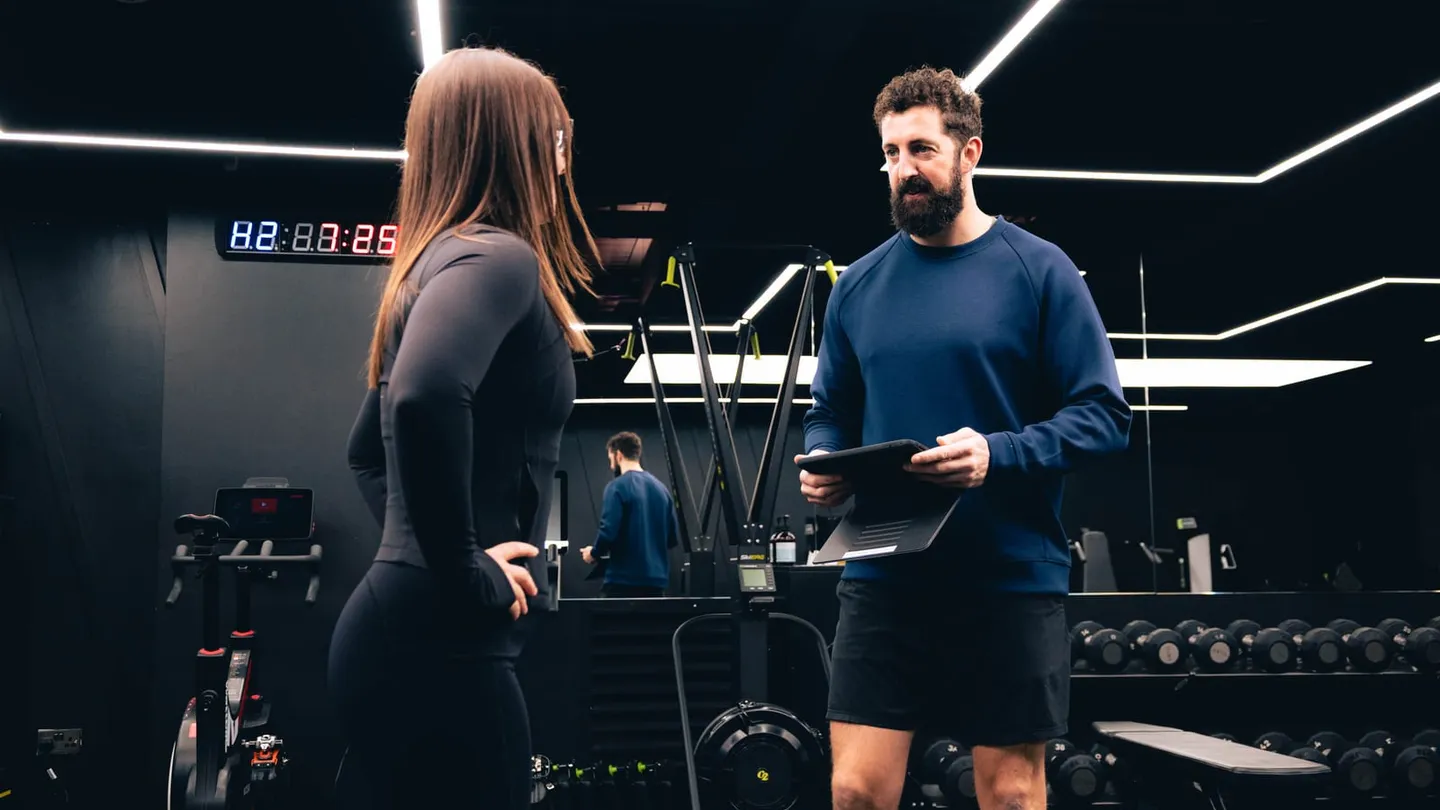
- The assessment shapes every session. Before I programme anything, a client does the Longevity Assessment. It covers movement, strength, fitness and health markers.
- The programming happens between sessions. My coaching is assessment-led, so every session sits inside a phase built from what the assessment found.
- I’m reachable between sessions. When a question comes up, you should get an answer then, without waiting for your next session.
- I’m qualified beyond the gym floor. I completed Equinox’s Coach X sleep coaching workshop under Dr Jennifer L. Martin, and I’m a Precision Nutrition Level 2 coach, which covers habit-change coaching too. When a programme touches sleep, food or a habit you want to change, you’re working with someone trained in that as well.
Most people never see this work, so it rarely shows up when they compare prices.
What personal training with The Strength Coach costs
Personal training with The Strength Coach costs £140 for a single session, or £120 to £130 a session in a pack. Most clients buy 12 sessions for £1,500 or 24 for £2,880, and train two or three times a week. There’s no separate fee for using UNTIL Liverpool Street. My prices page lists everything, including online and self-led options.
| Pack | Price | Per session |
|---|---|---|
| Single session | £140 | £140 |
| 6 sessions | £780 | £130 |
| 12 sessions | £1,500 | £125 |
| 24 sessions | £2,880 | £120 |
Here’s how it works in practice.
- Sessions are booked a month ahead through clients’ PAs. If one has to move for travel or a hard day, we move it. That’s why the number of sessions stays steady from month to month.
- Nutrition is built around habits. Nobody with a City job has time to log a client dinner in an app, so I don’t ask clients to track calories or macros.
- The assessment is always its own purchase. It costs from £99 self-led to £299 in person, and you can buy it without signing up to anything else. If you then buy a 12 or 24-session pack, the in-person fee is credited against it.
Against boutique classes, the price gap looks enormous, and the difference in what you get is just as big. In this industry, paying more usually buys more expertise and more attention. My guide to personal trainer vs strength coach explains how the qualifications differ.
When is a personal trainer a waste of money?
A personal trainer becomes a waste of money the moment they turn into a rent-a-friend. You should enjoy the time with your coach each week, so personality and values matter.
But once a trainer drops out of coaching mode and becomes a friend, it gets hard for them to set boundaries, challenge you and push for change. Most people struggle to challenge their own best friend.
The skill is knowing which hat to wear and when. Building a real relationship is good, even necessary. The cue to switch into coach mode is change language, like “I really need to do this” or “I really want to do that”.
Then my questions are simple. What needs to change? How do we change it? And what are you actually ready to do to get there?
A good coach also keeps treating it as a service. They check how sessions are landing and whether the programme is doing its job. The aim is that you get what you came for.
That balance only comes with experience. Some days it’s right to chat about your weekend. Other days the right question is why the ice cream comes out every Saturday and Sunday. It might be whether you enjoy back squats at all, or have never had the chance to say you don’t.
What to ask a personal trainer before you pay
The most important question, whatever the trainer charges, is what their assessment involves and what data they gather before choosing your programme. Any trainer should measure how you move before deciding what suits you. Without an assessment, the programme has nothing to stand on.
After that, ask these.
- How will we track progress, and when will you reassess me? A programme needs a way to check it’s working.
- How do you like to communicate, and does that suit me? Some people want everything kept clean over email, then end up with a trainer running it all through WhatsApp because that was the trainer’s habit. Settle it before any money changes hands.
- Which qualifications do you hold beyond the basic personal training certificate? It feels obvious to ask. People assume it gets covered, and it often doesn’t.
- How long have you been coaching? Knowing when to chat and when to push only comes with experience.
- What’s your cancellation or rescheduling policy, and does it work both ways? If life happens on your side, you want to know upfront whether sessions get moved or lost.
- Will I get anything in writing, like a programme or progress notes? A real programme should leave a paper trail, not live only in the trainer’s head.
- Can I try a single session before committing to a pack? Worth knowing before handing over £780 or more upfront.
My movement assessment guide shows how I answer the first question. My page on personal training at Liverpool Street covers where I coach. If you’re still choosing where to train, I’ve also ranked the best gyms in the City of London.
Frequently asked questions
How much is a personal trainer per session in the City of London?
Most personal trainers in the City of London charge £70 to £140 a session. High-volume trainers sit around £70 to £100, trainers at the big premium gyms usually charge £100 to £120, and experienced coaches who run fewer sessions charge £120 to £140. Buying a pack brings the price per session down.
Why is personal training in London so expensive?
Personal training at the top of the London market costs more because experienced coaches run fewer sessions on purpose. A trainer running 40 to 50 sessions a week has little time outside them. A coach with a lighter diary can plan between sessions and answer your questions, and the higher price pays for that time.
How much does The Strength Coach charge for personal training?
The Strength Coach charges £140 for a single session, £780 for 6 sessions, £1,500 for 12 and £2,880 for 24, which works out at £130, £125 and £120 a session. Most clients take 12 or 24 and train two or three times a week at UNTIL Liverpool Street, with no separate venue fee. The Longevity Assessment is bought separately.
Is a free assessment at a gym worth taking?
A free assessment at a gym is worth taking if it measures how you move and gives you a written plan. Many gyms fold one into the sales pitch to get you signed up. The Strength Coach sells the Longevity Assessment as a standalone product, from £99 self-led to £299 in person.
What should I ask a personal trainer before I pay?
Start by asking what the trainer's assessment measures before they write your programme, and how often they'll reassess you. Then ask how they like to communicate, which qualifications they hold beyond the basic certificate, how long they've been coaching, how cancellations work, and whether you can try a single session before buying a pack.