Strength Training for Professionals in London
Earned strength that compounds across a decade: not borrowed from impulse loading. The question is not what you can tolerate today, but what you can sustain for the next ten years.

Overview
What strength training is
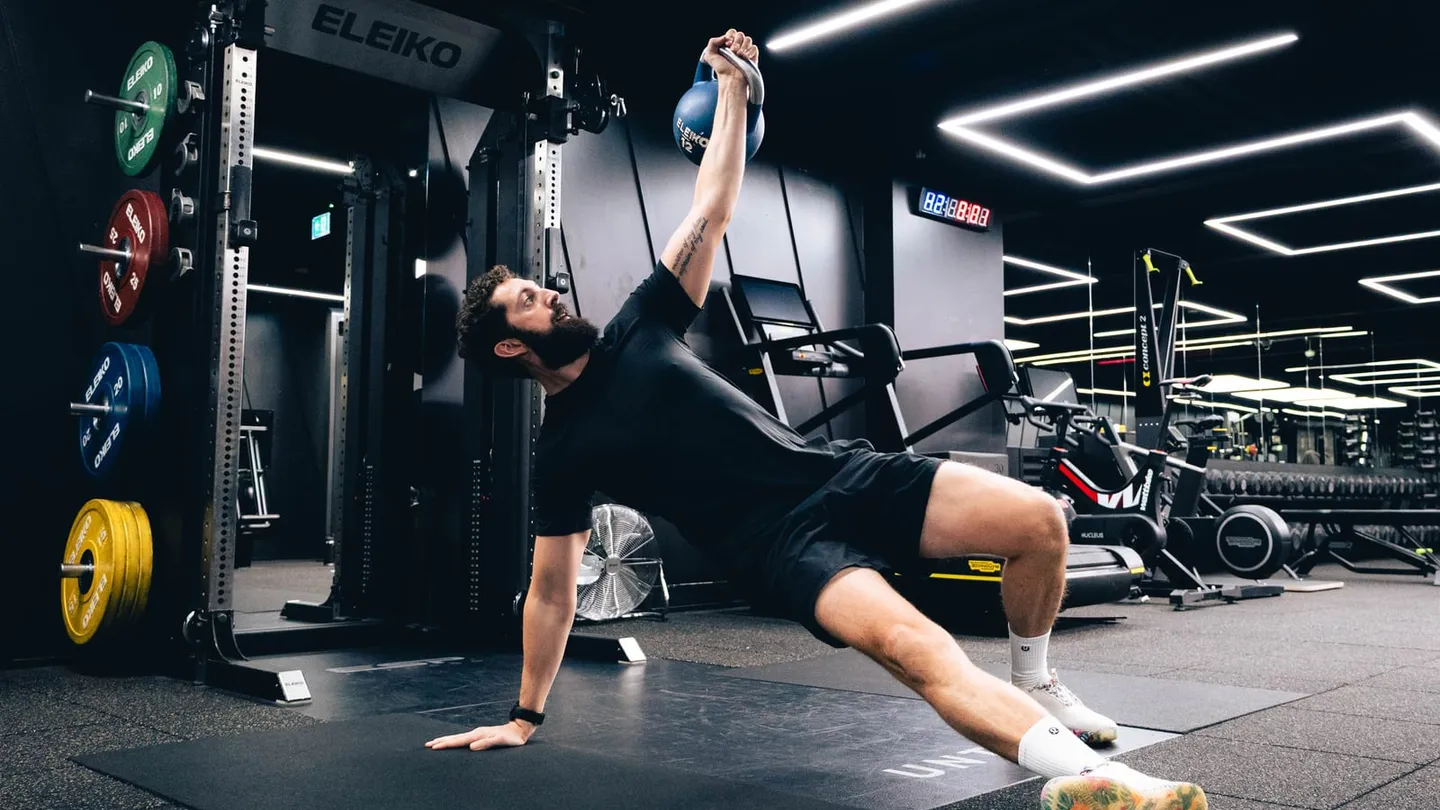
Strength training is the deliberate practice of building force production and lifting competency on a structural base that can take the load, so it persists through travel, illness, and the demands of senior work. Here it is earned, not borrowed: progressive overload is applied only when your measured capacity confirms readiness, never on impulse.
Strength is the foundation almost every other goal sits on, and it is the single most named goal among professionals who train with intent. Most people who stall are not short on effort. Progress fades when programmes chase intensity and novelty instead of earned, progressive load, when there is no objective baseline so weights are guessed rather than measured, and when training around senior work, travel, and stress stays inconsistent, so strength never compounds. Movement-quality limits in the squat, hinge, or overhead cap how much load can be added safely, and pushing on impulse accumulates fatigue and niggles rather than capability.
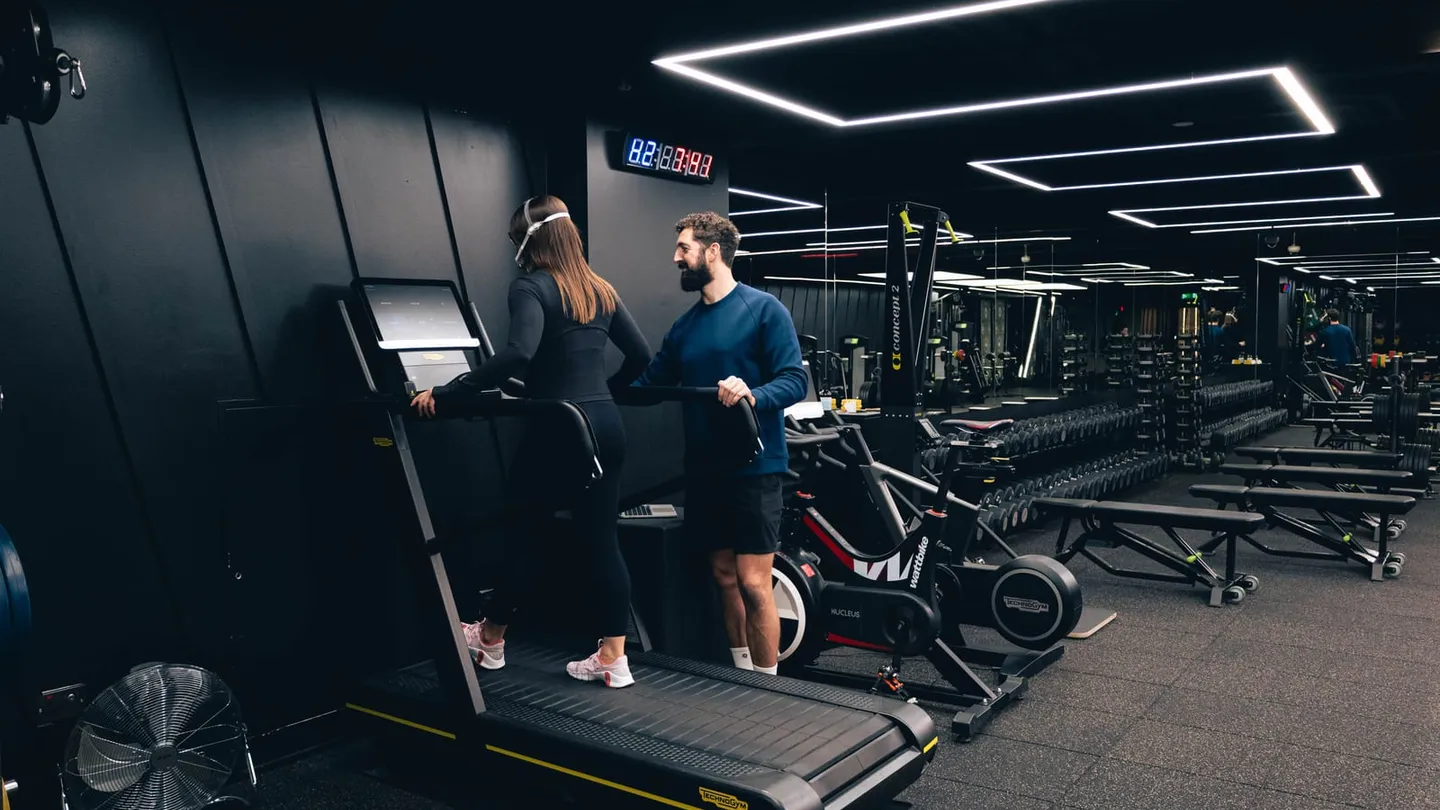
Every strength pathway begins with a Longevity Assessment that establishes your movement, strength, and aerobic baseline, so progression is earned against data rather than guessed. From there Matt applies progressive overload only when capacity confirms readiness, coaching technique and load directly in person, or delivering the same assessment-led framework remotely for clients who travel. Most clients feel stronger within the first training phase, with durable strength built over several months of consistent work: capability that compounds across years, not a short-lived peak.
The benefits of strength training
Daily life feels lighter
Carrying luggage through an airport, lifting a case into the overhead locker, taking the stairs two at a time: as your baseline strength rises, the physical demands of a busy life stop feeling like an effort and start sitting well within your capacity.
Stronger bones and joints
Progressive loading places a healthy demand on bone and connective tissue. Strength training is widely recognised to support bone density and joint stability, building a body that holds up under load rather than wearing down beneath it.
Greater resilience to injury
A strong, well-conditioned body copes better with awkward movements, heavy days, and the unexpected. Building strength around the joints helps them absorb and share load, which can help reduce the risk of the niggles that interrupt training.
A more capable metabolism
Muscle developed through strength work is active tissue that helps the body manage energy. Training it supports healthier body composition and metabolic health, and helps you make better use of the food you eat.
Confidence that carries beyond the gym
Getting measurably stronger changes how you feel in your own body. The capability you build under load tends to show up as better posture, presence, and a quiet confidence that follows you into work and everything else.
A foundation for every other goal
Strength underpins muscle, conditioning, longevity, and performance alike. Build a genuine base of strength first and every other target you set becomes faster to reach and easier to hold on to.
What gets in the way
Why have you stopped getting stronger?
- Programmes that chase intensity and novelty instead of earned, progressive load
- No objective baseline, so progression is guessed rather than measured
- Inconsistent training around senior work, travel, and stress: strength never compounds
- Movement-quality limits (squat, hinge, overhead) capping how much load can be added safely
- Pushing load on impulse, accumulating fatigue and niggles rather than capability
How it works
How Matt builds your strength
In-Person Longevity Assessment
£299Every strength pathway starts here: a measured baseline of movement, strength, and capacity so progression is earned against data, not guessed.
See treatment detail →1-2-1 Coaching
From £780In-person coaching applies progressive overload only when capacity confirms readiness, with direct oversight on technique and load.
See treatment detail →Online Coaching
From £199The same assessment-led strength framework delivered remotely for clients who travel or prefer structured autonomy.
See treatment detail →FAQ
Frequently asked
questions
How is your approach to strength different?
Progression is earned, not pushed. Load increases only when an objective baseline and your in-session performance confirm you are ready, rather than on impulse. That is what builds strength on a structural base: strength that holds through travel, stress, and a demanding job rather than spiking and fading.
Do I need to be experienced in the gym to build strength here?
No. Every pathway begins with a Longevity Assessment that establishes exactly where you are across movement and strength. From there the programme meets your current capacity and progresses logically. Experienced lifters and those returning after years away are both programmed from their real baseline.
How long until I see real strength gains?
Most clients feel stronger and more capable within the first training phase, as technique and your nervous system sharpen. Meaningful, durable strength is built over several months of consistent, progressive training: the point is capability that compounds across years, not a short-lived peak.
Related Goals
Get Started
Ready to begin?
Book today.
The Strength Coach • 280 Bishops Square, London EC2M 4RB
EnquireAppointments typically available within 1–2 weeks